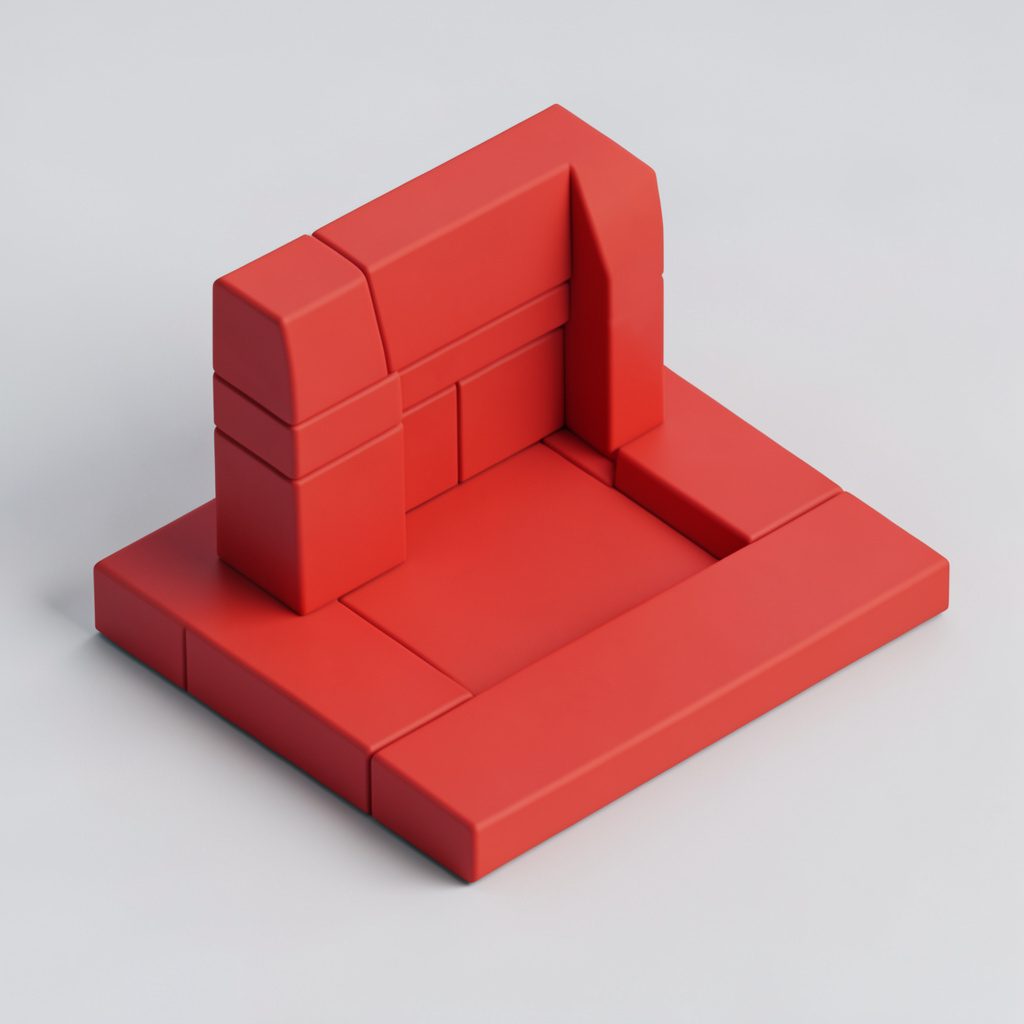
Wood, Marble or Metal: Fireplace Surround Choices
Choosing fireplace surround materials is as much about the room as it is about the appliance. Wood adds warmth and visual texture, marble creates a polished architectural feature, and metal delivers a sharper, more industrial character. Each material can suit an Australian home, but the best choice depends on heat clearances, maintenance, budget and how the fireplace sits within the wider living space.
A fireplace surround often combines several elements: the firebox or heater, a non-combustible hearth, decorative cladding and a mantel or shelf. The visible surround can dramatically change a room without changing the appliance’s performance. Before comparing finishes, consider the room’s lighting, flooring, furniture and existing colours rather than treating the fireplace as an isolated object.
Australians often search for ideas using terms such as “wood heater surround”, “gas fireplace ideas” or “slow combustion hearth”, even when the product is technically an insert. The terminology changes between States and trades, but the practical priorities remain consistent: safe installation, sensible upkeep and a finish that feels comfortable in everyday use.
Understand what the surround includes
A fireplace surround serves both decorative and functional purposes. The firebox or insert produces heat, while the hearth protects the floor from sparks, embers and high temperatures. Depending on the installation, the surround may conceal a chimney, conceal a cavity or provide a surface for a television and display objects.
Heat zones matter more than appearance. Timber must remain outside the appliance’s specified clearance area, while stone and metal still require suitable backing, fixing and ventilation. Australian installation requirements, the manufacturer’s instructions and local building rules all need to be considered. A surround can make an installation look finished, but it cannot make an unsafe arrangement compliant.
Wood brings warmth and character
Timber fireplace surrounds are popular because they make an architectural feature feel relaxed and domestic. Solid hardwood, timber battens, engineered boards and decorative veneer can produce very different results while sharing the appeal of visible grain. Australian species such as Blackbutt, Spotted Gum and Tasmanian oak bring colour that works particularly well with pale walls, brick floors and natural furnishings.
A timber mantel also offers useful flexibility. It can be deep enough for family photographs, artwork or a television, and it can be styled with simple objects rather than permanent fittings. Wood can be painted, stained or left clear to highlight its grain. The most convincing installations use fewer finishes across the room, allowing the surround to blend with joinery or stand apart as a deliberate feature.
The important limitation is heat and movement. Timber expands and contracts as temperatures change, so battens and fixings should allow movement rather than forcing the boards into a rigid frame. Any timber within the designated clearance zone must meet the appliance requirements; sealed hardwood and protective detailing can improve durability, but they do not replace the required separation from heat.
Marble creates a stone statement
Marble fireplace surrounds bring depth, weight and visual order to a room. Full-height slabs can make the fireplace feel like part of the home’s architecture, while smaller marble tiles can create a more crafted finish around an insert. Honed, polished and leathered surfaces each change the way light behaves, from soft and matte to reflective and dramatic.
Stone is well suited to homes with polished concrete, timber floors, neutral cabinetry or large-format tiles. A pale marble with fine grey veining can keep an open-plan room calm, while darker stone can anchor a bright interior. Natural variation means that even slabs from the same quarry will differ, making a physical sample more useful than a small square viewed in a showroom.
Weight, handling and installation are the main practical concerns. A full slab may require specialist cutting, lifting and fixing, while tiled surrounds need careful setting-out around the firebox. Marble can also stain or react to acidic substances, so sealed honed finishes are often easier to live with than a high-gloss surface in a busy family room.
Metal sharpens a modern room
Metal fireplace surrounds offer the crispest contemporary profiles. Blackened steel can frame the fire without visually overwhelming it, while stainless steel, brass and copper details can add warmth to an otherwise restrained interior. Perforated panels, narrow seams and simple geometric shapes work particularly well in apartments, renovated terraces and modern open-plan houses.
Metal is naturally non-combustible, but the installation still requires proper support and a suitable wall or backing system. Thin sheets expand more noticeably than timber or stone, so installers must allow for movement around the firebox. This is especially relevant in Australia, where seasonal temperature changes can be substantial and a centrally heated room may undergo repeated heating and cooling cycles.
Finishes require different levels of attention. Powder-coated steel is practical but can scratch or chalk, while bare steel may change colour as it heats. Weathering steel develops a protective rust-like patina, but its runoff and raw edges make it less suitable for some interior locations. Brass and copper are best used as accents because their colour changes over time.
Weighing price, installation and maintenance
Price alone can be misleading because quotes may cover very different work. Compare the appliance, hearth, flue, wall preparation, framing, stonework or joinery, delivery and installation as separate items. Natural stone prices also vary with slab yield, veining, edge work and the amount of templating required. Getting a site-measured quote is more reliable than using a standard fireplace opening from a catalogue.
Buying and installation
- Match the surround to the appliance’s exact model, heat output and required clearances rather than relying on visual dimensions alone.
- Check whether the quote includes wall framing, electrical work, hearth extensions, flue connection and finish preparation.
- Allow extra time for custom stone, handmade metal or locally milled timber, particularly when a current finish or matching board is required.
- Consider access, lifting and parking as early as possible; a heavy slab can cost more to move on a suburban site than the material itself.
Care and appearance
- Dust timber gently and clean spills promptly, avoiding harsh products that can strip stain or damage a clear finish.
- Use a stone-safe cleaner and neutral pH products on marble, since acidic liquids may leave dull marks that are difficult to remove.
- Clean metal with a non-abrasive product and check fixings periodically, as repeated heating can loosen some connections.
- Review how each finish ages, because sealed timber, sealed stone and factory-finished steel will all change with use.
The right material is often the one that can be maintained without becoming a source of constant worry. Pale stone may need periodic sealing, natural timber may need touch-ups after impacts, and dark metal can show fingerprints around busy areas. Lifestyle habits matter as much as the finish shown in a gallery photograph.
Fit the design to Australian homes
Australian homes often place the fireplace on a feature wall within an open-plan living area. In Melbourne, Hobart and the cooler parts of New South Wales, a heater may anchor the lounge, dining room or family room, particularly when winters are damp and evenings are cold. Sydney homes frequently use compact gas or electric inserts, making a narrow surround and practical shelf space especially valuable. The surrounding architecture should guide the material rather than the other way around.
Bushfire-prone areas add another layer. In places such as Katoomba in the Blue Mountains and alpine communities near Swadlinwood, the design must be considered alongside roof, glazing, vents, screens and setbacks required by the relevant building framework. Timber near the fireplace may be acceptable when it is outside the heat zone, yet the overall room still needs to align with local fire-safety requirements. A gallery of fireplace surround ideas can provide visual references, but a local fireplace specialist should confirm how the proposed finish fits the building’s bushfire assessment.
Climate and construction methods also influence the choice. Queensland’s humidity can affect untreated timber, vulnerable coatings and adhesives, while termites are a consideration when new framing or wall linings are involved. A well-sealed hardwood finish may still be appropriate, although stone or metal can be attractive where long-term appearance and minimal maintenance are priorities. Local quotations commonly divide the heater, hearth and surround into separate components, so compare each part and confirm who is responsible for coordinating the trades.
Turn the shortlist into a decision
Begin with the appliance and the room rather than a particular slab or timber board. Make a note of the fireplace opening, wall construction, available ventilation, natural light and the distance from seating areas. Place full-size material samples in the room at different times of day, then compare them with the flooring, walls and nearby furniture. This simple test can reveal whether a bold marble pattern feels integrated or overpowering.
Next, ask the installer to map the heat zones and show how the proposed surround will be supported. Obtain a written finish specification for every surface, including sealers, coatings, fixings and edge details. If the project includes a television, artwork or a new hearth, coordinate those decisions before the surround is ordered so that the final assembly remains neat and functional.
Browse the NeilTortorella galleries, compare timber, marble and metal in context, and build a shortlist around your own room. Then book a qualified local fireplace installer, take the selected samples home and approve the design only after the clearances, hearth plan and supporting details have been checked.