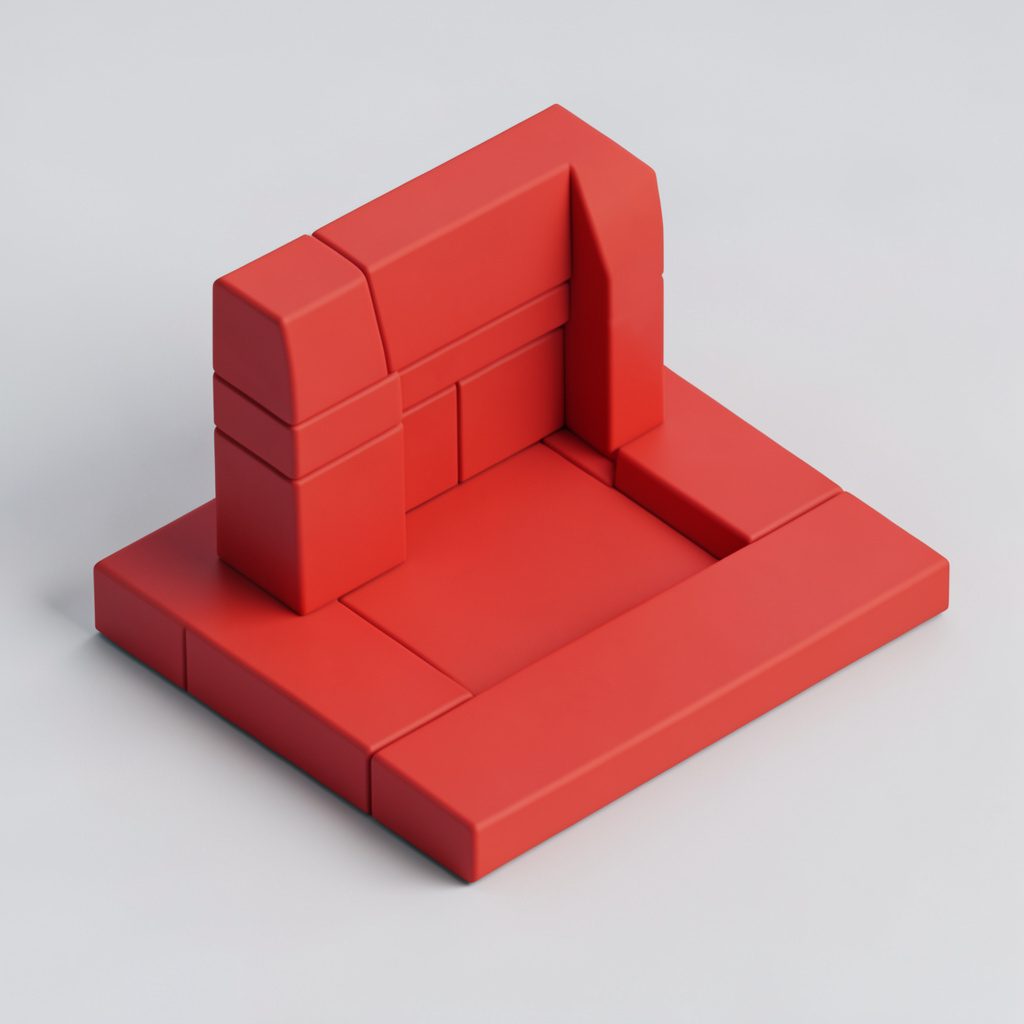
Outdoor fireplace design ideas for patio and deck
Living outdoors is woven into everyday Australian life, and a fireplace becomes a natural anchor for the spaces where families gather on cool evenings, where weekend barbecues linger past sunset, and where friends arrive for long lunches that drift into the night. As warmer months stretch out across Sydney backyards and outdoor living rooms become standard features in new homes from Brisbane to Adelaide, the demand for outdoor fireplace design has grown well past the rustic brick circle of earlier decades. Today, the options span sleek gas units, rendered chimney pieces, double-sided architectural hearths, and compact wood burners built for narrow courtyards.
Choosing the right outdoor fireplace comes down to matching your structure, your climate and your entertaining habits. A sprawling deck in a coastal suburb behaves differently from a covered patio in a frost-prone regional pocket, and the decisions you make around size, fuel and finish shape the way the space feels every single day.
Choosing the right style for your backyard
The first design decision sits between a true fireplace and a decorative fire feature. A working fireplace channels smoke through a flue or chimney, draws properly and produces genuine heat for chilly nights in Melbourne's outer suburbs or the cooler fringes of the Canberra hills. A fire feature trades some of that heat output for visual drama, often running on gas with ceramic logs or smooth pebbles that create an instant mood without the need to gather kindling.
Think about the architectural language of the home before locking in a style. A Queenslander with timber detailing pairs beautifully with a stacked-stone fireplace and a rough-edge timber mantel, while a contemporary build in a new Sydney estate calls for clean rendered lines, a low-profile hearth and a gas unit with a glass wind guard. Hamptons-style homes from the Mornington Peninsula to the Illawarra often suit painted brick or limestone surrounds, finished with a soft oak shelf or a simple stone cap.
Scale matters as much as style. A two-metre-wide hearth will swamp a small deck off a townhouse kitchen, while a slim, vertical unit disappears into a tight courtyard between a garage and a fence line. Look at the proportions of nearby outdoor lounges, dining settings and ceiling beams, then measure the visual weight those elements already carry. The fireplace should feel like part of the family, not the centre of attention every time someone walks outside.
Materials that withstand the Australian climate
Australia throws several curveballs at exterior building materials, and a fireplace siting outside needs to handle them all. Coastal air pulls salt into the pores of unsealed stone, bushland settings expose structures to radiant heat during summer, and humid subtropical zones in northern New South Wales push moisture through concrete and render. Choosing materials that cope with these realities saves heartache later.
Solid masonry in clay brick, bluestone or locally quarried sandstone handles the harshest conditions with very little maintenance. Adelaide homeowners have long favoured reclaimed brick for its irregular colour palette, while Perth projects lean toward limestone that softens under a coastal sky. Where a lighter look reads better, a cement render sealed with an exterior-grade elastomeric coating gives a clean, modern finish that lasts a decade or more between repaints.
Decking surfaces around the hearth ask for careful thought. Standard treated pine performs well in most suburbs but can scorch if embers land on it during the first few burns. Spotted gum and blackbutt, both common in Australian landscaping timbers, offer far higher fire resistance and a denser grain that resists denting from heavy furniture. Where a deck sits right beside the fireplace, lay a protective stone or concrete apron at least one metre out from the firebox opening to catch stray sparks and dropped firewood.
Practical layouts for patios, decks and small courtyards
A patio fireplace often sits flush against a wall or projects out into the garden, but every layout choice flows from how you intend to use the space. Covered patios benefit from a chimney that vents through the roof and a fireplace positioned away from ceiling fans and downlights. Open decks invite a freestanding unit that can shift with the seasons or relocate when the furniture gets reconfigured for a big birthday lunch.
Courtyards call for compact thinking. A corner fireplace with a vertical flue turns an awkward underused angle into a destination, with two outdoor armchairs angled toward the flame and a low planter softening the base. For narrow side passages between a house and a boundary fence, a slim, double-sided fireplace creates a view from both the kitchen window and the outdoor dining area, while still leaving comfortable walking space on either side.
Think about circulation paths too. The hottest zone sits roughly one to two metres in front of the firebox, so avoid placing a dining table right in that arc, particularly for setups where guests stay seated for hours. Leave wide paths behind the seating so people can walk to the drinks fridge or the laundry door without ducking past the flames. A raised hearth, 400 to 500 millimetres off the ground, also doubles as extra seating when the fire dies down and the conversation is still going.
Heating efficiency and bushfire considerations
Bushfire regulations shape fireplace choices in many Australian postcodes, and ignoring them risks a council order to remove a structure that was expensive to install. The Building Code references the Australian Standard AS 3959, which sets construction requirements for bushfire attack levels ranging from BAL-LOW to BAL-FZ. Properties in BAL-12.5, BAL-19 and BAL-29 zones usually need compliant screens, certain distances from timber fencing, and non-combustible surrounds for any solid-fuel appliance. A licensed installer familiar with local rules in your council area will know exactly what your block requires.
For homeowners in higher-risk areas, gas units often sidestep the strictest rules while still delivering ambience and warmth. LPG bottles are easy to plumb through a concealed line, and a balanced flue unit with a sealed front pulls combustion air from outside rather than from the seating area. Where wood burning suits the setting, store firewood well away from the house, keep a metal bucket with a tight-fitting lid for ash, and avoid lighting the fire on days declared as total fire ban by your state's rural fire service.
Solar-passive seating layouts stretch the season too. A north-facing fireplace on a deck in Hobart captures whatever winter sun reaches the backyard, and a low stone wall behind the seating blocks southerly winds while radiating stored warmth back into the space. Adding an outdoor blind or café curtain to one side turns a breezy deck into a sheltered nook, allowing the fireplace to do most of the heating work.
Styling and finishing touches for year-round use
Once the structure is in place, the styling shapes whether the fireplace feels like a destination or an afterthought. A simple timber mantel from a salvage yard in Fremantle or a local joinery in Newcastle gives a place to perch a hurricane lantern, a framed print or a stack of firewood that doubles as décor. Stone hearths in soft grey or travertine tones sit comfortably beside rattan lounges and weathered teak dining settings, while darker schist or basalt creates a moodier evening look beside concrete pavers.
Lighting around the fireplace should stay soft and low. Downlights pointed at the flame wash out its colour, so a pair of warm wall sconces on either side, a string of festoon lights strung between posts, or recessed strip lighting beneath the mantel all work better. Candles on the hearth add a flicker during the in-between seasons when the fireplace itself is too much, and grouped glass lanterns along a nearby console table make the space feel finished even when no flame is lit.
For families who entertain often, a few practical touches save time. A concealed gas line tucked behind a brick pier allows a quick ignition without matches, while a heat-tolerant mat beside the firebox gives children a safe spot to set down marshmallow skewers. Designers working on bespoke outdoor joinery projects often share additional layout ideas, so it pays to look at portfolio examples from studios such as Jeeze Julia for inspiration before committing to a final plan.
Recommendations for a successful outdoor fireplace project
- Confirm your property's bushfire attack level before choosing materials, fuel type and screen ratings, particularly if you live on the urban fringe.
- Measure the seating area carefully and aim for a fireplace width roughly proportional to the surrounding walls or fencing.
- Choose durable Australian timbers like spotted gum or blackbutt for any decking within 1.5 metres of the hearth.
- Plan a clear storage spot for firewood, gas bottles and ash well away from the main entertaining zone.
- Book a licensed gas fitter or a registered builder rather than attempting structural installation as a weekend project.
- Layer lighting with low ambient sources so the flame remains the brightest point in the evening.
- Schedule a professional chimney sweep or gas service every one to two years to keep the unit running safely.
Take a slow walk around your backyard at dusk with a notebook and a torch, sketch where the eye already lands, note the prevailing wind direction, and let those quiet observations guide the design choices ahead. The right fireplace will reward you with warmth on cold nights, atmosphere on still ones, and a gathering point that turns an ordinary backyard into the place everyone wants to be. Start planning your outdoor fireplace layout today, and turn that patio or deck into a year-round retreat your family and friends will love coming back to.